Types of Cocoa Powder – A Complete Guide for Bakers & Bulk Buyers
Cocoa powder is one of the most important ingredients in baking and dessert production. From chocolate sponge cakes and brownies to beverages and ice creams, the type of cocoa powder used can significantly affect flavour, colour, texture, and overall product quality. Whether you are a home baker experimenting with recipes or a commercial bakery purchasing cocoa powder in bulk, understanding the different types of cocoa powder helps you make better buying decisions.
In this guide, we will discuss:
What cocoa powder is
How it is made
The main types of cocoa powder
Applications of each type
How to choose the right cocoa powder for your business
What is Cocoa Powder?
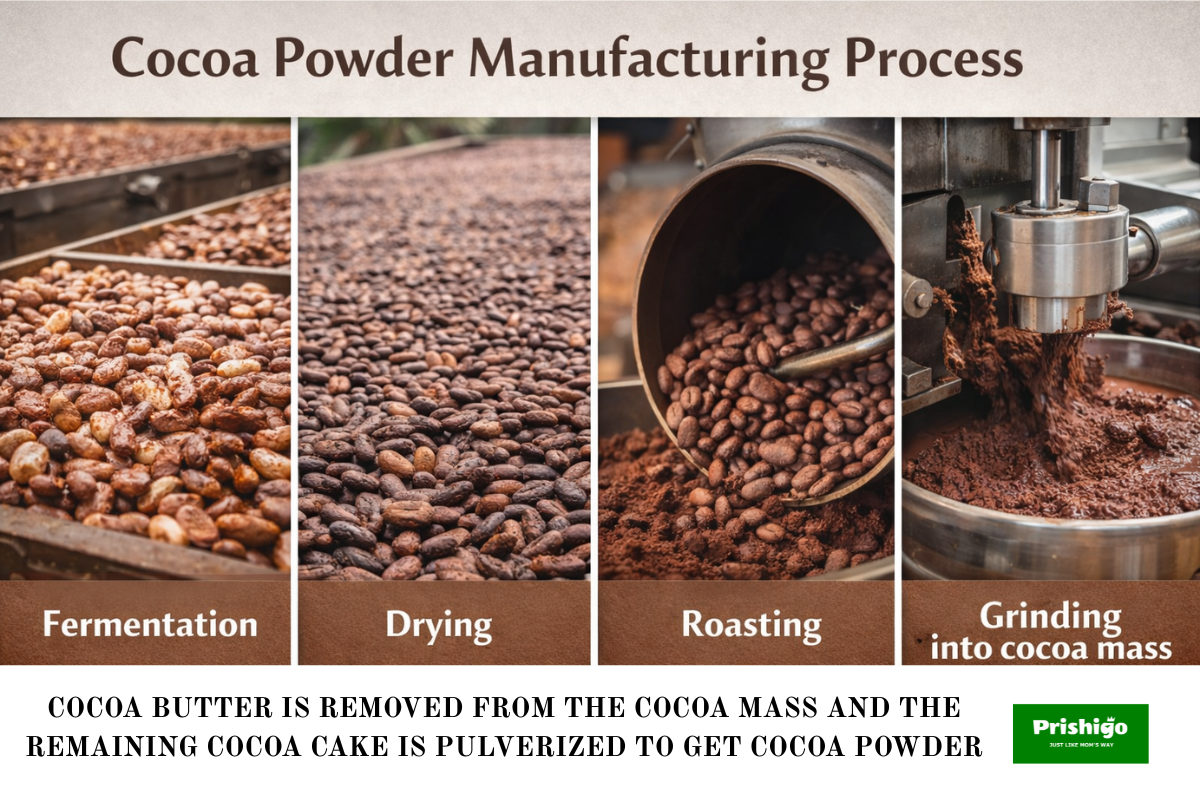
Cocoa powder is derived from cocoa beans. After harvesting, cocoa beans undergo:
Fermentation
Drying
Roasting
Grinding into cocoa mass
The cocoa mass is then pressed to remove most of the cocoa butter. The remaining solid portion is dried and finely ground to produce cocoa powder.
Unlike drinking chocolate mixes, pure cocoa powder contains no added sugar.
The fat content of cocoa powder can vary depending on how much cocoa butter is removed during pressing. This fat percentage plays an important role in flavour intensity and mouthfeel.
For professional baking, the consistency and processing method of cocoa powder directly influence the final product.
Main Types of Cocoa Powder
The most commonly available types include:
Natural Cocoa Powder
Alkalized or Dutch Process Cocoa Powder
Black Cocoa Powder
High-Fat Cocoa Powder
Low-Fat Cocoa Powder
Let’s examine each type in detail.
1. Natural Cocoa Powder
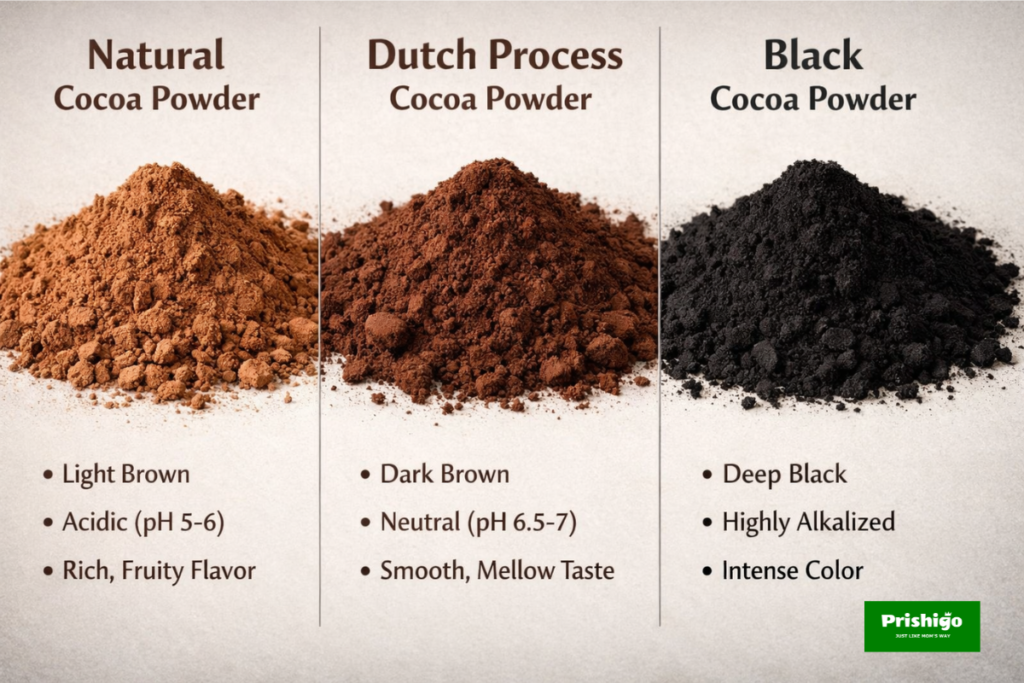
Natural cocoa powder is made from roasted cocoa beans that are pressed and ground without additional alkalizing treatment.
Characteristics:
- Light to medium brown colour
- Slightly acidic (pH around 5–6)
- Sharp, fruity chocolate flavour
Best Applications:
- Recipes using baking soda
- Chocolate cakes
- Brownies
- Muffins
- Cookies
Because of its acidity, natural cocoa powder reacts with baking soda to create leavening. It is widely used in traditional chocolate cake recipes.
For bakeries, natural cocoa powder is often preferred for strong chocolate flavour at controlled cost.
2. Alcalized or Dutch Process Cocoa Powder
Dutch process cocoa powder is treated with an alkalizing agent to neutralize its natural acidity.
Characteristics:
Darker brown colour
Neutral pH (around 6.5–7)
Smooth, mellow flavour
Less bitter
Best Applications:
Premium chocolate cakes
Ice creams
Chocolate sauces
Hot chocolate beverages
Recipes using baking powder
Dutch cocoa provides deeper colour and smoother taste. It is often chosen by commercial bakeries aiming for a darker finished product.
3. Black Cocoa Powder
Black cocoa powder is heavily alkalized Dutch cocoa with very dark colour.
Characteristics:
Very dark brown to black colour
Mild flavour
High alkalization
Best Applications:
Oreo-style biscuits
Dark sandwich cookies
Decorative chocolate sponge
Black velvet cakes
Black cocoa is mainly used for colour rather than strong flavour. Many bakeries blend it with natural cocoa for balance.
4. High-Fat Cocoa Powder
High-fat cocoa powder contains a higher percentage of cocoa butter (typically 20–24%).
Characteristics:
Rich flavour
Better mouthfeel
Smooth texture
Strong chocolate aroma
Best Applications:
Premium desserts
Truffles
High-end bakery products
Chocolate fillings
Bulk buyers often prefer high-fat cocoa for superior richness in premium products.
5. Low-Fat Cocoa Powder
Low-fat cocoa powder contains lower cocoa butter (around 10–12%).
Characteristics:
Lighter texture
More economical
Strong cocoa notes
Best Applications:
Large-scale cake production
Cost-sensitive bakery production
Dry premixes
For commercial operations where cost control is important, low-fat cocoa powder offers consistency at competitive pricing.
Which Cocoa Powder Should You Choose?
Choosing the right cocoa powder depends on:
For Chocolate Cakes
Natural or Dutch process depending on recipe structure.
For Brownies
Natural cocoa gives strong flavour; high-fat cocoa gives richer texture.
For Dark Colour Products
Dutch or black cocoa powder works better.
For Ice Cream & Beverages
Dutch process cocoa offers smooth flavour.
For Bulk Commercial Baking
Consistency, fat percentage, and reliable supply matter more than brand name.
Understanding these differences helps bakeries avoid recipe failures and maintain uniform taste across batches.
What to Consider When Buying Cocoa Powder in Bulk
For food businesses and distributors, selecting a supplier is equally important as selecting the type.
Key considerations:
✔ Batch-to-batch consistency
✔ Stable colour profile
✔ Fat percentage suitability
✔ Reliable stock availability
✔ Proper packaging
✔ GST documentation
✔ Timely dispatch
Ingredient inconsistency can directly affect finished product quality and customer satisfaction.
Whether you operate a small bakery or a growing dessert brand, working with a dependable cocoa powder supplier ensures smoother operations.
Storage and Handling Tips
To maintain quality:
Store in cool, dry place
Avoid moisture exposure
Keep sealed after opening
Protect from strong odours
Improper storage can lead to flavour loss and clumping.
Final Thoughts
Cocoa powder is not a one-type-fits-all ingredient. The choice between natural, Dutch process, black, high-fat, or low-fat cocoa depends on your recipe requirements and production goals.
Understanding these variations empowers both home bakers and commercial buyers to select the right cocoa powder for their applications.
If you are exploring reliable retail or bulk options, you can learn more about our cocoa powder supply solutions here:
Cocoa Powder Supplier in India
Cocoa Powder Supplier in Tamil Nadu